
How to Effectively Restore Your Home After Flooding: Flood Damage Restoration Guide

Flooding can cause serious damage to your home. It affects your property, belongings, and can create health risks. Acting quickly and correctly is essential to restore your home effectively. This guide provides clear steps and practical advice to help you manage flood damage restoration.
Understanding Flood Damage Restoration
Flood damage restoration involves cleaning, drying, and repairing your home after water intrusion. The goal is to return your property to a safe and livable condition. This process includes removing water, drying materials, cleaning surfaces, and fixing structural damage.
Flood damage restoration requires specialized equipment and knowledge. It is important to address water damage promptly to prevent mold growth and further deterioration. You may need professional help for thorough restoration, especially if the flooding is severe.
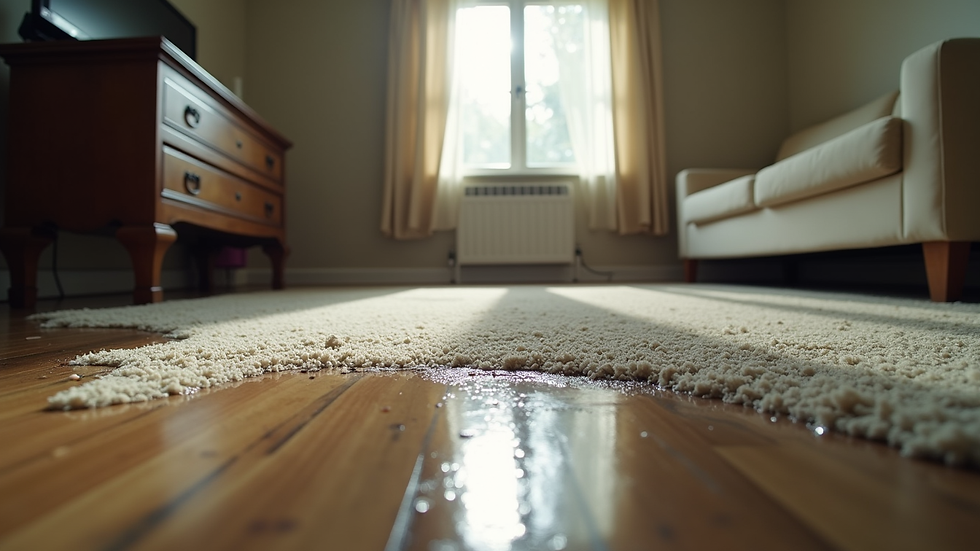
What does flood restoration mean?
Flood restoration means more than just drying out your home. It covers all steps needed to repair and sanitize your property after flooding. This includes:
Water extraction: Removing standing water using pumps and vacuums.
Drying and dehumidifying: Using fans and dehumidifiers to remove moisture.
Cleaning and sanitizing: Disinfecting surfaces to prevent mold and bacteria.
Repairing damage: Fixing walls, floors, and structural elements.
Mold remediation: Identifying and removing mold growth caused by moisture.
Flood restoration is a comprehensive process. It ensures your home is safe, clean, and structurally sound after flood damage.
Initial Steps to Take After Flooding
Start by ensuring safety. Turn off electricity and gas if you can do so safely. Avoid walking through floodwater, as it may be contaminated or hide hazards.
Next, document the damage. Take photos and videos of affected areas and belongings. This documentation helps with insurance claims.
Remove water as soon as possible. Use pumps, wet vacuums, or buckets to extract standing water. The faster you remove water, the less damage you will face.
Ventilate your home by opening windows and doors if weather permits. This helps reduce moisture levels.
Wear protective gear such as gloves, boots, and masks during cleanup to avoid exposure to contaminants.
Drying and Cleaning Your Home
Drying your home thoroughly is critical. Use fans, dehumidifiers, and heaters to speed up drying. Focus on walls, floors, and furniture. Check hidden areas like behind walls and under carpets.
Remove wet materials that cannot be dried, such as soaked drywall, insulation, and carpet padding. These materials can harbor mold and bacteria.
Clean all surfaces with appropriate disinfectants. Use a mixture of water and bleach or commercial cleaners designed for flood damage. Pay special attention to kitchens, bathrooms, and areas where food is stored.
Dispose of contaminated items safely. Porous materials like mattresses, pillows, and upholstered furniture often need to be discarded.

Repairing Structural Damage and Preventing Mold
After drying and cleaning, inspect your home for structural damage. Look for cracks in walls, warped floors, and damaged foundations. Repair these issues promptly to maintain your home’s integrity.
Replace damaged drywall, flooring, and insulation. Use materials resistant to moisture when possible.
Mold prevention is a key part of flood damage restoration. Mold can start growing within 24 to 48 hours after flooding. Keep humidity levels below 60% using dehumidifiers and ventilation.
Regularly check for signs of mold such as musty odors, discoloration, or visible growth. If mold appears, address it immediately with professional remediation if needed.
When to Call Professionals
Some flood damage requires expert help. If water covers a large area, contains sewage, or has been standing for more than 24 hours, contact professionals.
Professional restoration companies have specialized equipment and training. They can handle water extraction, drying, cleaning, and mold remediation safely and effectively.
For residents in the Quad Cities area, I recommend contacting flood fighters restoration davenport. They provide fast and reliable flood damage restoration services to help you recover quickly.
Final Steps to Restore Your Home
Once repairs are complete, clean your home thoroughly again. Replace furniture and belongings carefully. Consider using moisture-resistant products to reduce future risks.
Review your home’s flood preparedness. Install sump pumps, improve drainage, and seal foundation cracks. These measures help protect your property from future flooding.
Keep insurance information updated and understand your coverage. Document any restoration work for your records.
Restoring your home after flooding is a detailed process. Following these steps helps ensure your property is safe, clean, and comfortable again. Taking action quickly and methodically reduces long-term damage and health risks.


Comments