
Effective Flood Damage Restoration Steps
- Jennifer Bogie
- Jun 9
- 3 min read

Flood damage can disrupt homes and businesses quickly. Acting fast and following clear steps helps reduce damage and restore properties efficiently. I will guide you through practical flood damage restoration steps that protect your property and health.
Understanding Flood Damage Restoration Steps
Flood damage restoration involves several key actions. These steps focus on safety, water removal, drying, cleaning, and repair. Each step is important to prevent further damage and mold growth.
Ensure Safety First
Before entering a flooded area, turn off electricity and gas if possible. Wear protective gear like boots and gloves. Floodwaters can carry contaminants and pose electrical hazards.
Assess the Damage
Check the extent of water intrusion and structural damage. Take photos for insurance claims. Identify items that can be salvaged and those that need disposal.
Remove Standing Water
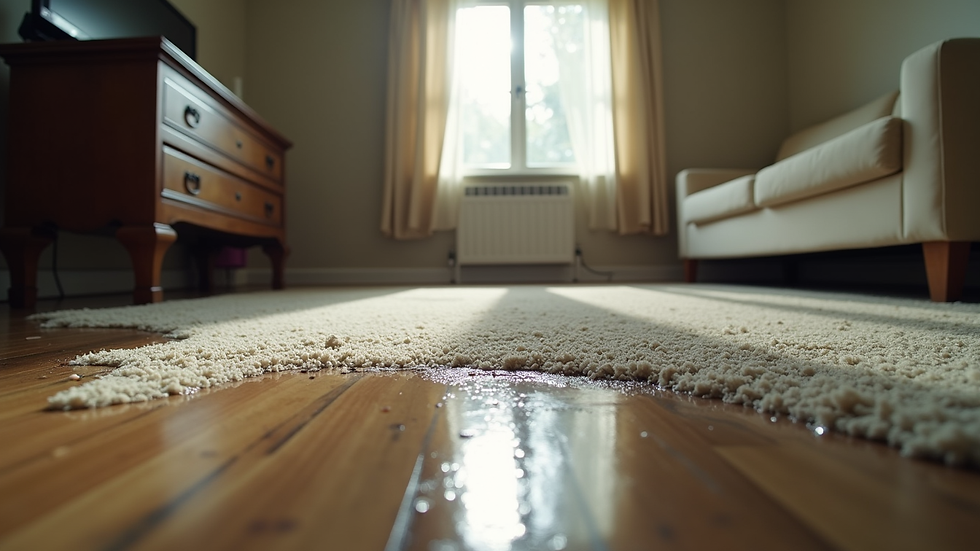
Use pumps, wet vacuums, or buckets to remove water. The faster you remove water, the less damage occurs to floors, walls, and furniture.
Dry the Area Thoroughly
Use fans, dehumidifiers, and open windows to circulate air. Drying can take several days. Moisture meters help track progress.
Clean and Disinfect
Floodwater often contains bacteria and chemicals. Clean all surfaces with appropriate disinfectants. Dispose of porous materials like carpets and drywall if heavily contaminated.
Repair and Restore
Replace damaged drywall, flooring, and insulation. Check electrical systems and plumbing for damage. Restore the property to its pre-flood condition.

Detailed Flood Damage Restoration Steps
Step 1: Safety and Initial Assessment
Safety is the top priority. Floodwaters may hide hazards such as sharp debris, electrical wires, or contaminated water. I always recommend turning off the main power supply before entering the flooded area. If you smell gas, evacuate immediately and call the utility company.
Once safe, inspect the property carefully. Look for structural damage like cracks in walls or foundation. Document everything with photos and notes. This documentation helps with insurance claims and restoration planning.
Step 2: Water Extraction
Removing water quickly limits damage. For small amounts, mops and buckets may suffice. For larger floods, use pumps or wet/dry vacuums. If water is deep, consider professional help.
Avoid using household vacuums as they can be damaged or cause electrical shock. Remove water from carpets and floors as soon as possible to prevent mold growth.
Step 3: Drying and Dehumidification
After water removal, drying is critical. Open windows and doors to increase airflow if weather permits. Use fans to circulate air and dehumidifiers to reduce moisture levels.
Check hidden areas like wall cavities and under floors. Moisture meters can detect dampness not visible to the eye. Continue drying until moisture levels return to normal.

Step 4: Cleaning and Sanitizing
Floodwater often contains bacteria, sewage, and chemicals. Clean all surfaces with soap and water first. Then apply disinfectants approved for flood cleanup.
Porous materials like carpets, upholstery, and drywall may need removal if contaminated. Non-porous items like metal and plastic can usually be cleaned and disinfected.
Step 5: Repair and Restoration
Once the area is dry and clean, begin repairs. Replace damaged drywall, flooring, and insulation. Inspect electrical wiring and plumbing for damage and repair as needed.
Paint walls with mold-resistant paint to prevent future issues. Restore the property to its original condition or better.
When to Call Professionals
Some flood damage requires professional restoration. If water is contaminated with sewage or chemicals, or if damage is extensive, call experts. Professionals have specialized equipment and training to handle complex situations safely.
For residents and businesses in the Quad Cities, I recommend contacting flood fighters restoration davenport for expert help. They respond quickly and provide thorough restoration services.
Preventing Future Flood Damage
After restoration, take steps to reduce future flood risk:
Install sump pumps and backflow valves
Seal cracks in foundation and walls
Grade landscaping to direct water away from the building
Keep gutters and drains clear
Store valuables and important documents in waterproof containers
Regular maintenance and preparedness can minimize damage if flooding occurs again.
Final Thoughts on Flood Damage Restoration
Flood damage restoration requires prompt, organized action. Follow these steps carefully to protect your property and health. Remember to prioritize safety, remove water quickly, dry thoroughly, clean properly, and repair fully.
If the damage is severe or you need assistance, do not hesitate to contact professionals. Quick response and expert care make a significant difference in recovery.
Taking these steps helps restore your home or business efficiently and reduces the risk of long-term problems like mold. Stay prepared and act decisively to manage flood damage effectively.

Comments