
Effective Steps to Restore Your Home After a Flood: Flood Cleanup Strategies
- Jennifer Bogie
- Apr 29
- 3 min read

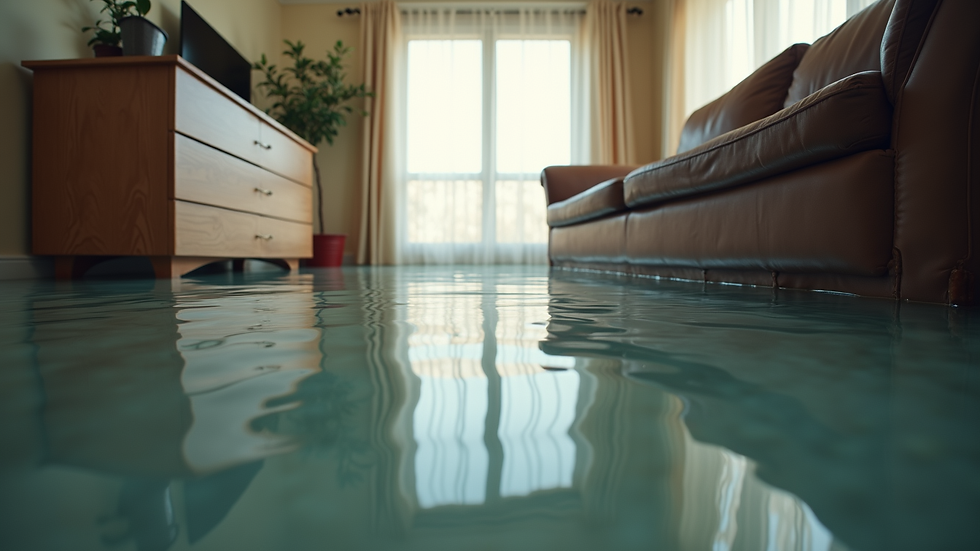
Flooding can cause significant damage to a home. When water enters your property, it affects the structure, belongings, and indoor air quality. Acting quickly and methodically is essential to minimize damage and restore your home safely. I will guide you through effective steps to restore your home after a flood, focusing on practical actions and flood cleanup strategies.
Assess the Damage and Ensure Safety
The first step after a flood is to assess the damage carefully. Before entering your home, make sure it is safe. Floodwaters can carry contaminants, and electrical hazards may exist.
Turn off electricity and gas supply if you can do so safely.
Wear protective gear such as gloves, boots, and masks.
Check for structural damage like cracks or sagging ceilings.
Take photos and document the damage for insurance purposes.
Once you confirm the home is safe, start removing standing water using pumps or wet vacuums. The faster you remove water, the less damage you will face.
Flood Cleanup Strategies: Drying and Cleaning
Drying your home thoroughly is critical to prevent mold growth and further damage. Use fans, dehumidifiers, and open windows to increase air circulation.
Remove wet carpets, rugs, and furniture to dry separately.
Use moisture meters to check for hidden dampness in walls and floors.
Clean all surfaces with disinfectants to kill bacteria and mold spores.
Dispose of items that cannot be salvaged safely.
Drying can take several days. Monitor the progress and continue until moisture levels return to normal.
Salvage and Restore Belongings
Not all items affected by floodwater are lost. Some can be cleaned and restored.
Separate items by material: wood, fabric, electronics, and paper.
Clean hard surfaces with soap and water, then disinfect.
For fabrics, wash with hot water and use mold inhibitors.
Electronics should be inspected by professionals before use.
Paper documents may require specialized drying techniques.
Keep in mind that floodwater often contains contaminants. When in doubt, discard items that pose health risks.
Prevent Mold and Structural Damage
Mold can develop within 24 to 48 hours after flooding. It damages materials and affects indoor air quality.
Continue drying efforts until all areas are moisture-free.
Use mold-resistant products when repairing walls and floors.
Inspect insulation and replace if wet.
Seal cracks and gaps to prevent water intrusion in the future.
If mold growth is extensive, consider hiring professionals for remediation.

When to Seek Professional Help
Some flood damage requires expert intervention. If the floodwater is contaminated with sewage or chemicals, professional cleanup is safer.
Structural damage that compromises the building’s integrity.
Electrical systems exposed to water.
Large-scale mold infestations.
Complex restoration involving HVAC systems.
I recommend contacting flood fighters restoration davenport for expert assistance. They specialize in water damage, mold, and flood cleanup in Davenport and the Quad Cities. Their experience ensures a thorough and safe restoration process.
Maintaining Your Home After Restoration
Once your home is restored, take steps to reduce future flood risks.
Install sump pumps and backflow valves.
Grade your yard to direct water away from the foundation.
Keep gutters and drains clear.
Store valuables and important documents in waterproof containers.
Regular maintenance and preparedness can reduce the impact of future floods.
Flood recovery is a challenging process. Following these steps helps restore your home safely and efficiently. Acting quickly, drying thoroughly, and knowing when to seek help are key to successful flood cleanup strategies.


Comments