
Understanding Emergency Water Extraction Services
- Jennifer Bogie
- Jun 9
- 3 min read

Water damage can happen suddenly and cause serious problems. When water floods a home or business, quick action is necessary. Emergency water extraction services help remove water fast to prevent further damage. I will explain what these services involve, why they are important, and how they work.
What Is Emergency Water Extraction?
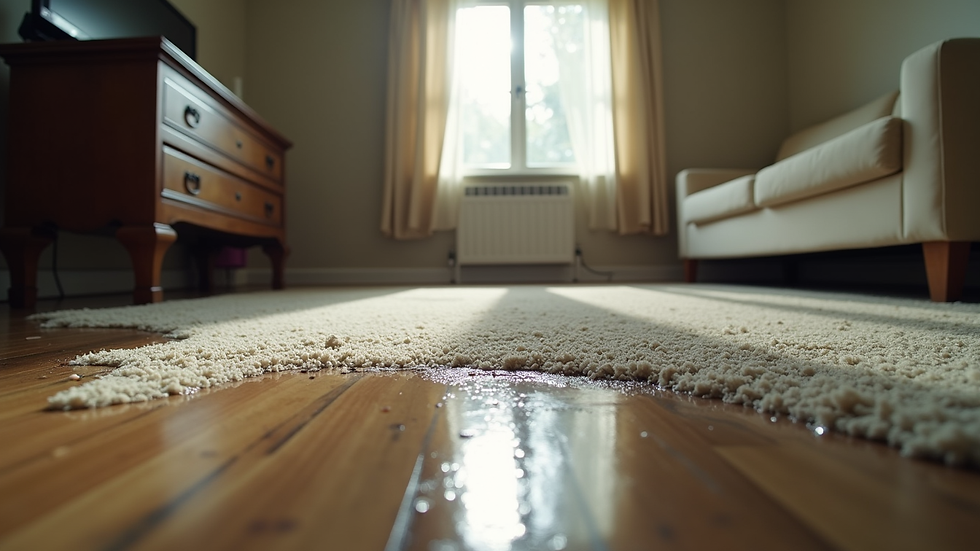
Emergency water extraction is the process of removing unwanted water from a property after flooding or leaks. This service is critical when water enters a building due to storms, broken pipes, or appliance failures. The goal is to extract water quickly to reduce damage to floors, walls, and belongings.
Water left standing can cause structural damage and promote mold growth. Extraction services use specialized equipment to remove water efficiently. This includes pumps, vacuums, and drying machines.

Why Emergency Water Extraction Is Essential
Water damage worsens the longer it remains. Immediate extraction limits the impact on a property. Here are key reasons why emergency water extraction is necessary:
Prevents Mold Growth: Mold can start growing within 24 to 48 hours after water exposure. Removing water quickly stops mold spores from spreading.
Protects Structural Integrity: Water weakens wood, drywall, and insulation. Fast extraction helps preserve these materials.
Reduces Repair Costs: The longer water sits, the more expensive repairs become. Early intervention saves money.
Restores Safety: Standing water can create slip hazards and electrical risks. Extraction makes the environment safer.
Preserves Personal Property: Furniture, electronics, and documents can be saved if water is removed promptly.
Emergency water extraction is not a simple cleanup. It requires professional tools and expertise to ensure thorough drying and damage control.
How Emergency Water Extraction Services Work
When a water emergency occurs, the extraction process follows several steps:
Assessment: Technicians inspect the affected area to determine the water source, extent of damage, and type of water (clean, gray, or black).
Water Removal: Using pumps and wet vacuums, they remove standing water from floors, carpets, and other surfaces.
Drying and Dehumidification: After extraction, drying equipment like air movers and dehumidifiers reduce moisture in walls and floors.
Cleaning and Sanitizing: The area is cleaned to prevent mold and bacteria growth. This step is crucial for health and safety.
Monitoring: Moisture levels are monitored until the property is completely dry.
Restoration: Repairs to damaged materials may follow, depending on the severity of the water damage.
Each step is important to fully restore the property and prevent future problems.

Choosing the Right Emergency Water Extraction Service
Selecting a reliable service is critical. Here are factors to consider:
Availability: Water emergencies can happen anytime. Choose a company that offers 24/7 emergency response.
Experience: Look for technicians trained in water damage restoration and certified by industry organizations.
Equipment: The company should use advanced extraction and drying tools.
Response Time: Fast arrival reduces damage and speeds up recovery.
Local Knowledge: A service familiar with the Quad Cities area understands local risks and regulations.
Customer Reviews: Positive feedback from previous clients indicates trustworthy service.
For example, I recommend contacting flood fighters restoration davenport for quick and professional emergency water extraction in the Quad Cities.
Preventing Water Damage After Extraction
Once water is removed, prevention is key to avoid future emergencies. Here are practical tips:
Regular Maintenance: Inspect plumbing, roofs, and gutters to catch leaks early.
Install Sump Pumps: These devices help remove water from basements during heavy rain.
Seal Cracks: Check foundations and walls for gaps where water can enter.
Use Water Alarms: Sensors can alert you to leaks before they cause major damage.
Keep Drains Clear: Remove debris to prevent backups.
Elevate Valuables: Store important items above potential flood levels.
Taking these steps reduces the risk of needing emergency water extraction again.
What to Do Immediately After Water Damage
If water floods your property, act quickly:
Ensure Safety: Turn off electricity if safe to do so. Avoid standing in water near electrical outlets.
Stop the Water Source: Shut off the main water valve or fix leaks if possible.
Call Professionals: Contact an emergency water extraction service immediately.
Remove Valuables: Move furniture and belongings to dry areas.
Document Damage: Take photos for insurance claims.
Avoid DIY Extraction: Without proper equipment, you may miss hidden moisture.
Prompt action limits damage and speeds up restoration.
Final Thoughts on Emergency Water Extraction
Emergency water extraction is a vital service for protecting properties from water damage. Fast, professional removal of water prevents mold, structural issues, and costly repairs. Understanding the process helps you respond effectively when disaster strikes.
If you face water damage in the Quad Cities, rely on experts like flood fighters restoration davenport to restore your property quickly and safely. Taking immediate action and following prevention tips will help maintain a dry, safe environment.

Comments