
Understanding Emergency Water Extraction Techniques for Effective Emergency Water Removal
- Jennifer Bogie
- Mar 30
- 4 min read

Water damage can strike without warning. When it does, quick and effective emergency water removal is essential to prevent further damage and costly repairs. I want to share practical knowledge about emergency water extraction techniques that help restore properties safely and efficiently. This information is especially useful for homeowners and businesses in Davenport and the Quad Cities.
The Importance of Emergency Water Removal
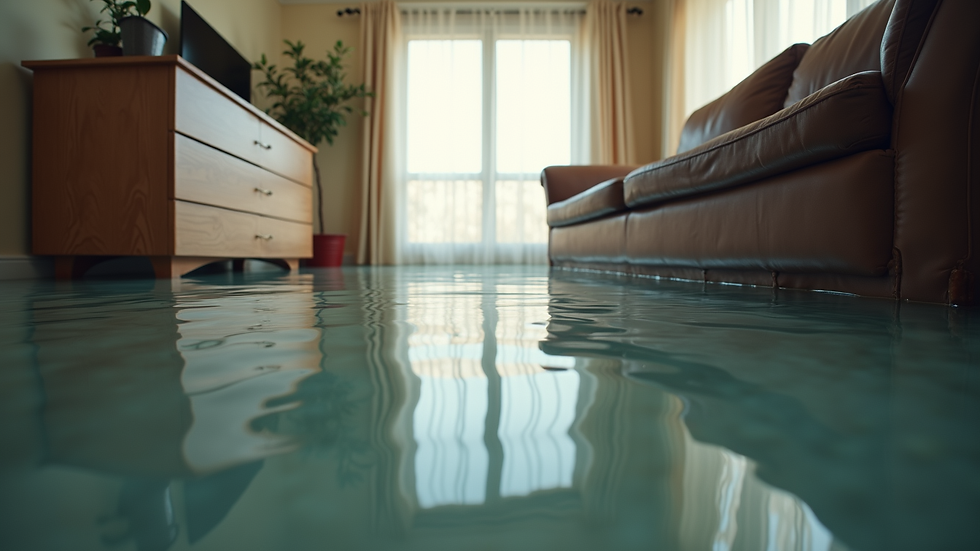
Water intrusion can come from various sources: burst pipes, heavy rain, flooding, or appliance failures. When water enters a building, it can cause structural damage, promote mold growth, and ruin personal belongings. Immediate water removal limits these risks.
Emergency water removal involves extracting standing water and drying affected areas quickly. The longer water sits, the more damage it causes. I recommend acting within 24 to 48 hours after water exposure to reduce long-term problems.
Key reasons to prioritize emergency water removal:
Prevent structural weakening of floors, walls, and ceilings
Reduce the chance of mold and mildew development
Protect electrical systems and appliances
Minimize damage to furniture and personal items
Lower restoration and repair costs

Common Emergency Water Extraction Techniques
Water extraction requires specialized equipment and methods. I will explain the most common techniques used in emergency water removal.
1. Pump Extraction
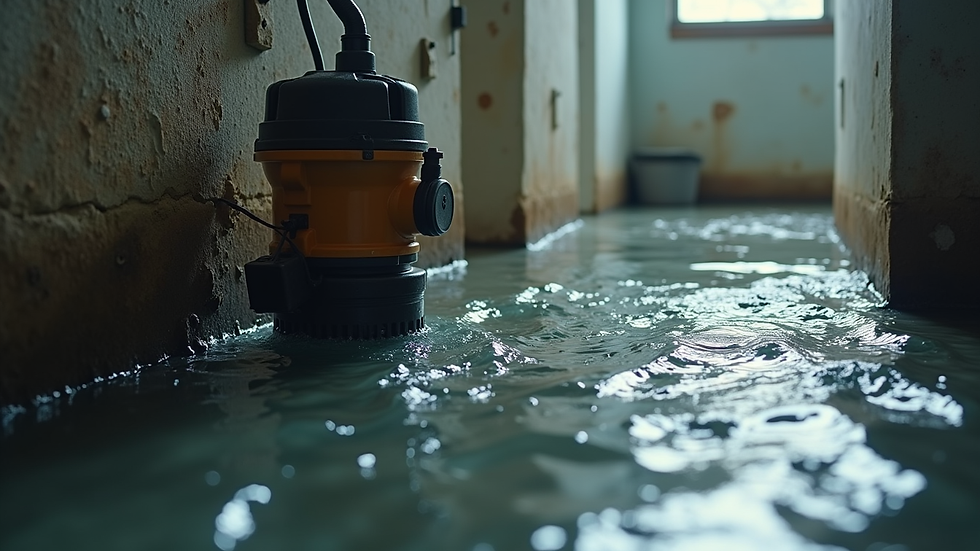
Pumps are used to remove large volumes of standing water quickly. They are effective for deep water in basements, crawl spaces, or large commercial areas. Submersible pumps are placed directly in the water and pump it out through hoses.
2. Wet/Dry Vacuum Extraction
For smaller amounts of water or water trapped in carpets and upholstery, wet/dry vacuums are useful. These vacuums can suck up water and debris simultaneously. They are portable and easy to maneuver in tight spaces.
3. Moisture Detection and Monitoring
Before and after extraction, moisture meters and infrared cameras help identify hidden water pockets inside walls, floors, and ceilings. This ensures thorough drying and prevents mold growth.
4. Air Movers and Dehumidifiers
After water removal, drying the area is critical. Air movers circulate air to speed evaporation. Dehumidifiers remove moisture from the air, preventing dampness and mold.
5. Carpet and Padding Removal
In some cases, water-soaked carpets and padding must be removed to prevent mold. This is common when water is contaminated or has soaked in deeply.
6. Sanitizing and Cleaning
Water extraction is followed by cleaning and sanitizing to remove bacteria and contaminants. This step is vital for health and safety, especially after floodwater exposure.
Tools and Equipment Used in Emergency Water Extraction
Using the right tools makes water extraction efficient and effective. Here are the main types of equipment I rely on:
Submersible Pumps: For fast removal of large water volumes
Wet/Dry Vacuums: For smaller water amounts and surface extraction
Moisture Meters: To detect moisture levels in materials
Infrared Cameras: To locate hidden water behind walls and ceilings
Air Movers: To increase airflow and speed drying
Dehumidifiers: To reduce humidity and prevent mold
Extraction Wands: For deep carpet water removal
HEPA Air Scrubbers: To improve air quality during cleanup
Proper training is essential to operate this equipment safely and effectively. Incorrect use can cause further damage or safety hazards.
When to Call Professional Emergency Water Extraction Services
While some water removal tasks can be handled by property owners, many situations require professional help. I recommend contacting experts when:
Water covers more than a few inches or large areas
Water is contaminated with sewage or chemicals
Electrical systems are affected or pose a hazard
Water has soaked into walls, ceilings, or structural components
Mold growth is visible or suspected
You lack proper equipment or experience
Professional services like flood fighters restoration davenport have the expertise and equipment to handle complex water damage scenarios. They also provide thorough drying, cleaning, and restoration to return your property to a safe condition.
Best Practices for Emergency Water Extraction
To maximize the effectiveness of water extraction, I follow these best practices:
Act Quickly: Time is critical. Start water removal as soon as possible.
Ensure Safety: Turn off electricity and gas if water is near outlets or appliances. Use protective gear.
Remove Standing Water: Use pumps or vacuums to extract water.
Dry Thoroughly: Use air movers and dehumidifiers to dry all affected areas.
Monitor Moisture: Check moisture levels regularly to confirm drying progress.
Remove Damaged Materials: Dispose of unsalvageable items like soaked drywall or carpet padding.
Clean and Sanitize: Use appropriate cleaners to prevent mold and bacteria growth.
Document Damage: Take photos and notes for insurance claims.
Following these steps helps reduce damage and speeds up recovery.
Preparing for Future Water Emergencies
Prevention and preparation reduce the impact of future water emergencies. I suggest:
Inspecting and maintaining plumbing regularly
Installing sump pumps and backflow valves in flood-prone areas
Sealing cracks in foundations and walls
Keeping gutters and drains clear
Having emergency water extraction contacts ready
Creating an emergency response plan for your property
Being prepared helps you respond quickly and effectively when water damage occurs.
Final Thoughts on Emergency Water Removal
Emergency water removal is a critical step in protecting your property from lasting damage. Understanding the techniques and tools involved allows you to act decisively. When water damage happens, quick extraction, thorough drying, and proper cleanup are essential.
If you face significant water damage, do not hesitate to seek professional help. Services like flood fighters restoration davenport provide reliable, expert assistance to restore your home or business safely and efficiently.
Taking prompt action and following proven water extraction methods will help you recover faster and reduce the overall impact of water emergencies.


Comments