
Understanding Emergency Water Removal and Extraction Techniques
- Jennifer Bogie
- Mar 30
- 3 min read

Water damage can happen suddenly. It affects homes and businesses alike. When water floods a property, quick action is necessary. Emergency water removal is the first step to prevent further damage. I will explain the key techniques used in emergency water extraction. This knowledge helps in making informed decisions during a crisis.
What Is Emergency Water Removal?
Emergency water removal means taking out unwanted water from a property as fast as possible. This process reduces damage to floors, walls, furniture, and electrical systems. Water can come from floods, broken pipes, or leaks. The goal is to stop water from soaking deeper into materials.
Water removal involves several steps:
Assessing the water source and damage level
Removing standing water
Drying affected areas
Cleaning and sanitizing
Each step requires specific tools and methods. The faster water is removed, the less chance there is for mold growth and structural damage.
Techniques Used in Emergency Water Removal
There are different techniques for removing water depending on the situation. I will cover the most common and effective methods.
1. Pumping Out Standing Water
When water pools in large amounts, pumps are the best option. Submersible pumps are placed directly in the water. They push water out through hoses to a safe drainage area. Pumps work well for basements, flooded rooms, and commercial spaces.
2. Wet/Dry Vacuum Extraction
For smaller amounts of water, wet/dry vacuums are useful. These vacuums suck up water from carpets, floors, and furniture. They are portable and easy to use. However, they are not suitable for deep flooding.
3. Carpet and Upholstery Extraction
Specialized extraction machines remove water trapped in carpets and upholstery. These machines use strong suction and heat to pull water out. This method helps prevent mold and mildew in soft materials.
4. Air Movers and Dehumidifiers
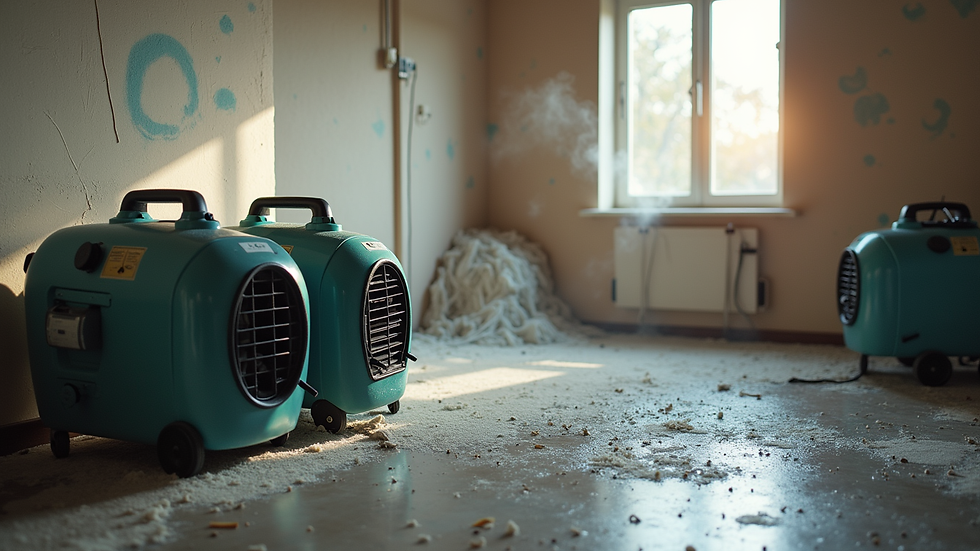
After removing standing water, drying the area is critical. Air movers blow air across wet surfaces to speed evaporation. Dehumidifiers remove moisture from the air. Together, they reduce humidity and dry walls, floors, and ceilings.
5. Moisture Detection Tools
Moisture meters and infrared cameras help locate hidden water. These tools identify damp areas behind walls or under floors. Detecting moisture early prevents long-term damage.

Safety Measures During Emergency Water Extraction
Water removal can be hazardous. Electrical systems may be wet, and contaminated water can pose health risks. I always recommend following safety guidelines:
Turn off electricity before entering flooded areas
Wear protective gear like gloves and boots
Avoid contact with contaminated water
Use proper ventilation to reduce mold spores
Call professionals if the damage is extensive
Taking these precautions protects you and your property during water extraction.
When to Call Professionals for Water Extraction
Some water damage situations require expert help. If water covers a large area or comes from sewage, professional services are necessary. They have advanced equipment and training to handle complex cases.
For example, flood fighters restoration davenport offers emergency water extraction and cleanup services. They respond quickly to minimize damage and restore properties safely.
Preventing Future Water Damage
After water removal, it is important to prevent future incidents. Here are some practical tips:
Regularly inspect plumbing and appliances for leaks
Clean gutters and downspouts to avoid water buildup
Seal cracks in foundations and walls
Install sump pumps in basements prone to flooding
Maintain proper drainage around the property
These steps reduce the risk of water damage and the need for emergency extraction.
Final Thoughts on Emergency Water Extraction
Emergency water removal is a critical process after flooding or leaks. Using the right techniques quickly can save a property from severe damage. Pumps, vacuums, and drying equipment work together to remove water and dry affected areas.
Safety is a priority during extraction. Knowing when to call professionals ensures the job is done correctly. Taking preventive measures helps avoid future water damage.
Understanding these techniques prepares you to act decisively when water emergencies occur. This knowledge supports faster recovery and protects your investment.


Comments